




The right exercise for symphysis pubis dysfunction (A.K.A. Pelvic Girdle Pain) addresses pain in the joints of your pelvis. Appropriate exercise and alignment shifts can help to stabilise the pelvis. This will relieve pressure and strengthen and release the muscles.
The affected joints are the symphysis pubis joint (SPJ) at the front and/or the sacroiliac joints (SIJ) at the back.
Depending upon the level of pain and range of movement, bodyweight exercises such as a supported squat (adapting the depth of the squat or how far you open your legs) will also improve strength and stability.
No.1 exercise for symphysis pubis dysfunction: find and activate your core muscles
The most important stablilization for your hips and pelvis, comes from your core. That means your deep abdominal muscles, your pelvic floor, lower back, and your glutes.
A key foundation of the MUTU program is the MUTU Breath, a mindful exercise for symphysis pubis dysfunction to connect with and gently engage your full core. Here’s a super-quick animation version to try! You can lie down, sit, kneel or use any comfortable position.
More core and kegel technique tips
Kegels or pelvic floor exercises are often described as the action of stopping yourself from urinating. But are actually more effective if you imagine you’re trying not to pass wind! As you exhale, gently pull up your sphincter muscles like you’re stopping a fart. Don’t squeeze your glutes, this is your butt *hole* not your butt. (Nope. No such thing as TMI here LOL)
Then move your focus to your vagina and imagine you are drawing a tampon high up inside you. It’s more a lift than a squeeze. Inhale and relax (don’t push away, just let it go). Then exhale and lift again. Repeat 5 times. Quality is much more important than quantity.
No.2 Supermum exercise for symphysis pubis dysfunction
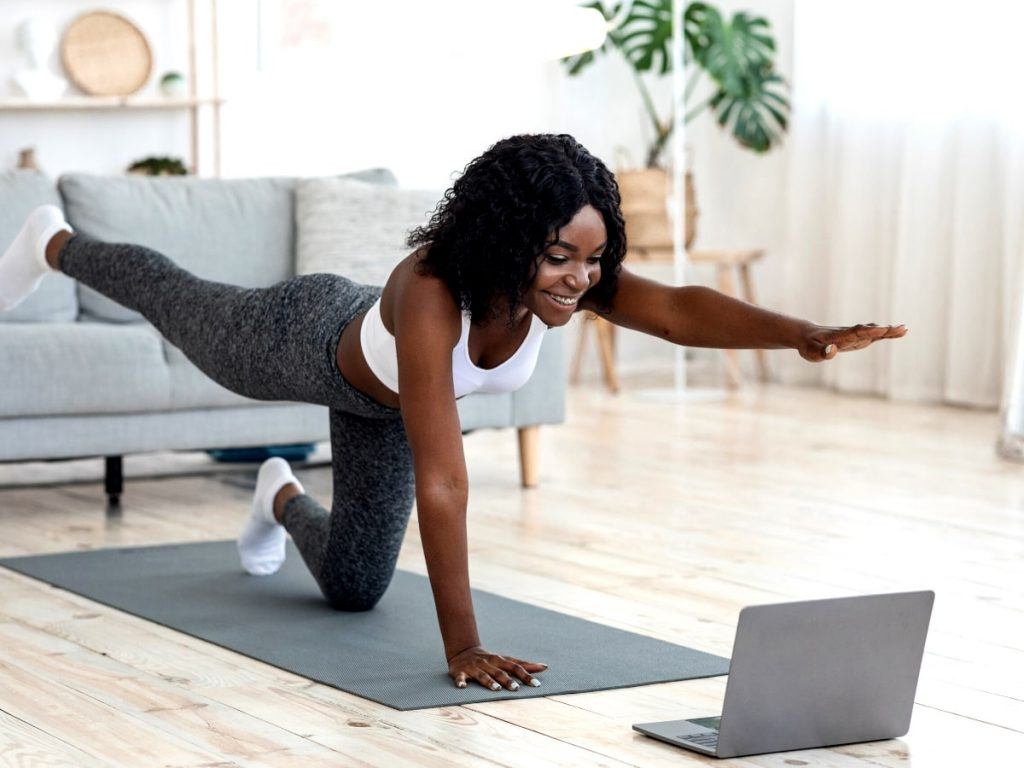
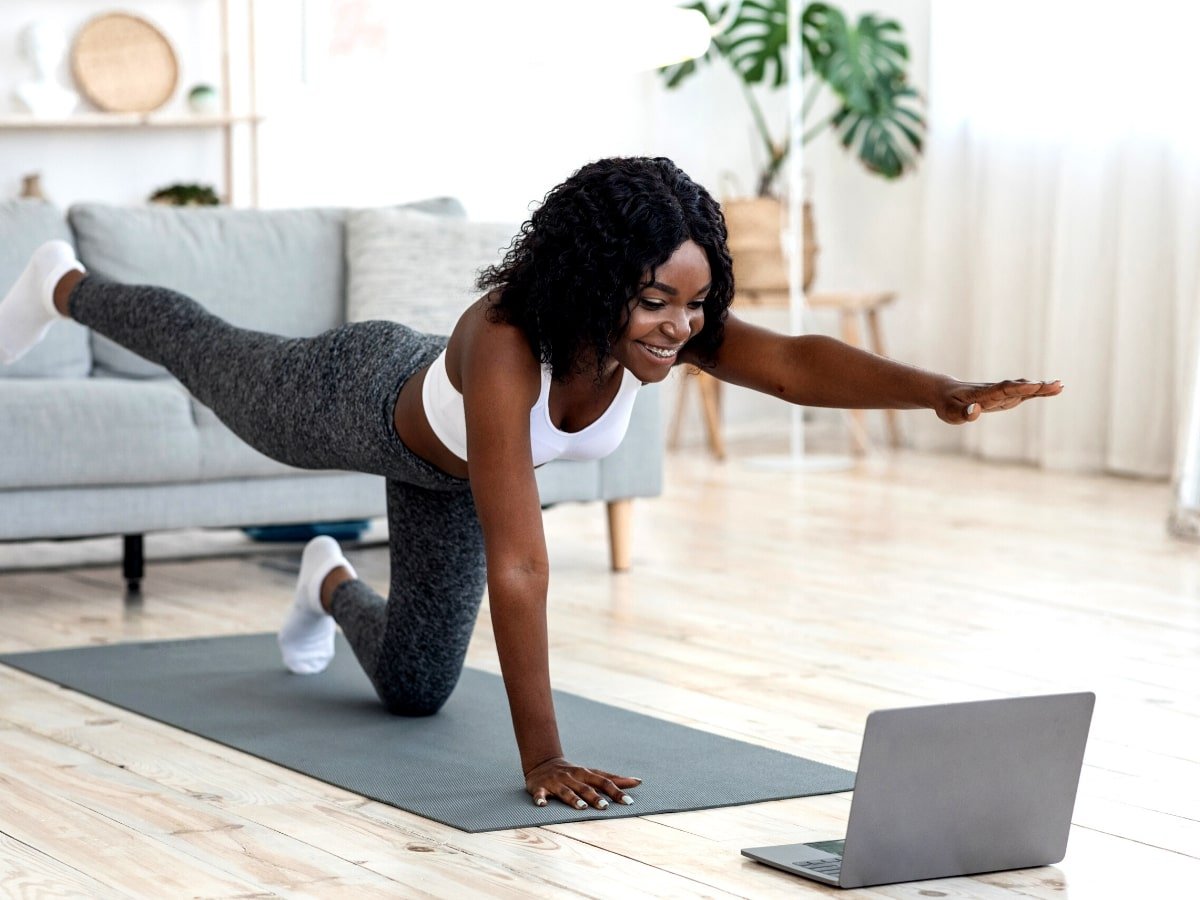
Start from all fours, with your hands directly underneath your shoulders and your elbows slightly bent.
Gently engage your core as above on an exhale, as you raise your left hand. Just off the floor is fine. This is enough to make your core work.
Inhale, relax, release and lower your hand to the floor.
Repeat, lifting your right hand from the floor. Move with your breath, moving and engaging on the exhale. Back to the floor, release and relax on the inhale.
When you feel more stable, you could try stretching the raised arm right out in front.
Try not to let your pelvis load (shift) into the hip that is in contact with the ground. Your core muscles should be doing the work.
If you feel super stable, lift the opposite knee as well as your hand! The goal here is *not* to lift hand or knee high. You might not add in lower limbs at all. If you wobble or feel unstable, bring it down. The goal is stability with a low load on the core..
Try this: Squatting
Exercises for symphysis pubis dysfunction can include squatting but you will need to modify. Strengthening the muscles of the lower body will also help to stabilise the pelvis, so do squat, but with support.
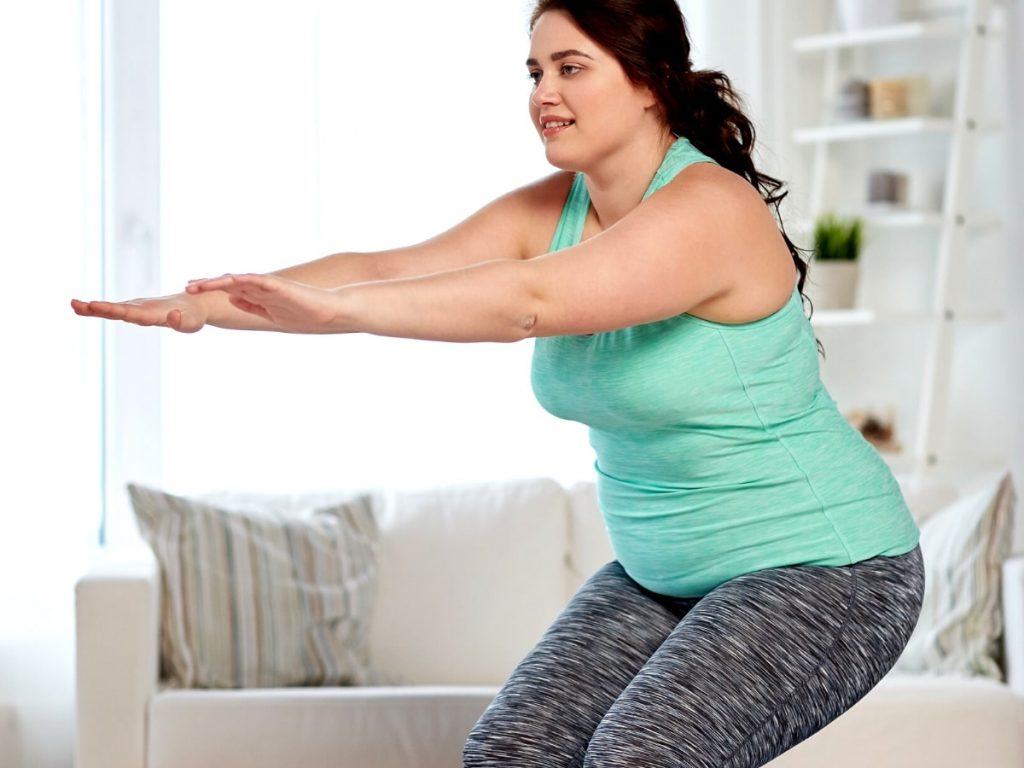
Keep your shins vertical and your knees behind your toes and only go as low as is comfortable and without tucking under.
Keep your butt and tailbone untucked and sit right back into the squat. Hold onto something for support. Place a chair behind you for reassurance so you know something is there to catch you. To come back up, exhale, engage core and push up through the outside of your feet and your heels.
You want to feel the muscles in your backside and thighs working, rather than the fronts of your thighs. Shift your weight into your heels to shift ‘the work’ to the backs of your legs. Repeat 5 times.
Hold a strong and fixed stair bannister or heavy furniture in front of you, or just rest your hand on one side on the back of a chair or table.
Don’t forget to stretch
Stretching and releasing are vital to release tight muscles which will be extra tense as your body anticipates and compensates for discomfort.
Your calves, hamstrings and adductors (inner thighs) will need particular attention but work within your limits. If a stretch hurts if your muscles start to shake or your body twists and turns to enable the position… it’s not working.
Reduce the range, and stretch only where you can feel release and are able to breathe steadily and easily.
Staying active
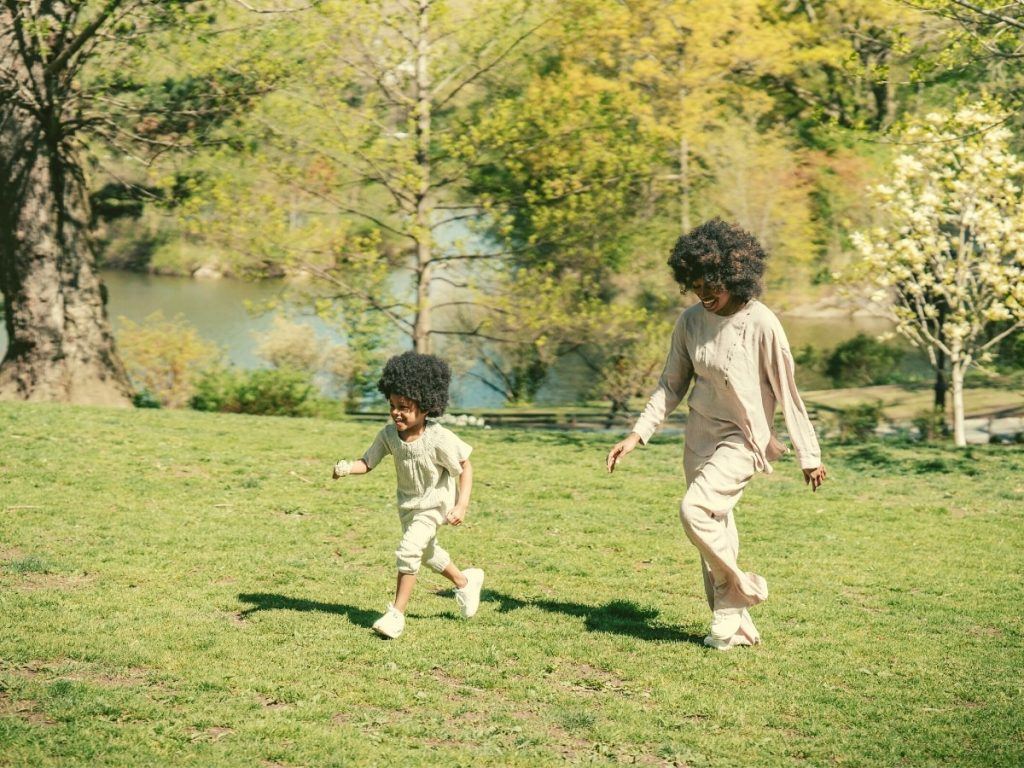
Keep as active as you can, as doing nothing at all will make the pain worse. Walk as much as you can, using smaller strides if large steps are painful. Wear minimal shoes without a heel and walk with good alignment.
Don’t hunch your shoulders or bend forward from the hips. Drop your shoulder blades down and draw them together, breathe deeply and look straight ahead.
Seek professional help for symphysis pubis dysfunction
If your pain is severe and debilitating be sure to consult with a specialist physical therapist, chiropractor or osteopath to realign your pelvis. Your muscles will be inhibited by allowing these exercises to work for you properly if they are overcompensating for misalignment or pain.
A specialist PT can assess the position and the symmetry of movement of your pelvic joints, especially the sacro-iliac joints at the back of the pelvis. Treatment may involve a combination of joint realignment or mobilisation and soft tissue or muscle treatment.
When the body is experiencing pain, muscles tighten and compensate, causing asymmetry and misalignment of joints. It is important that you receive treatment from a physical therapist, chiropractor or osteopath to correct this. Also try to carry out gentle exercises such as these, preferably daily.
Complimentary therapies such as acupuncture or cranial sacral therapy may also provide relief.





Swimming was no good for me. Kicking your legs individually causes pain and aggravation and the water gives you resistance, which makes the problem worse. If you can use the foam things you hold between your legs to make sure that your legs move together as a unit, then you may be okay. I am on my 5th baby and have pain with each pregnancy and for few few months afterwards each time.
Hi I got spd when I was eight weeks pregnant. Got so bad husband had to bed bath me hospital brought baby on two weeks early cause of it. He now three and still suffering really bad my doctors got me on tramadol for pain
Hi Traceytpot. I’d recommend referral to a Women’s Health Physiotherapist. You can find out more here: https://mutusystem.com/referral-to-a-womens-health-physiotherapist.html
My physio said strictly No squadding with SPD! Only activities where you keep your legs together! Most exercises lying down so you don’t put more pressure on your pelvis/ hips.
Hey Amy. Sorry. I seem to have missed your comment completely. If something doesn’t feel right, if you experience anything that feels uncomfortable or ‘just not right’ you need to take a step back. Stick to week one for a while until you feel strong enough to move on. Sometimes we need to stop doing certain things until we’ve regained some strength again in our core and pelvic floor. I hope that helps 🙂
Hi
Did you had surgery right after childbirth or years after..? As I am suffering from same problem as yours. Please help. Mine is also seperated by 2.4 cm. I also have SI joint pain.
hi there, this was written a while a go but I have been searching the internet for this kind of conversation.. I too have had pelvic surgery. After my first child and SPD triggered a latent car accident injury. My pelvis is plated at the front. After a time of healing , physio and rest I can happily say that it has all been a distant memory and I walk and run with the best of them. Two more kids and 17 years later I really want to get rid of my ‘mummy pouch’. I joined mutu last year and have healed the diasitis recti. This year I d like to tone my body.. I have started a gentle yoga. Two weeks in and I m just not feeling right. The back of my pelvis feels weak. I was wondering, in your vast experience, if you had any good exercise ideas. I may just stick with week one of the 12 week programme.. but I d like to advance further.. and get rid of that tum!! 🙂 Thank you in advance.
Thank you for this site. I have been looking for proper information since I was about 3months pregnant and doctors, midwives, nurses etc were terrible before, during and after my babies birth. I had PGP throughout my whole pregnancy. I think I made it worse coz I worked a v physical job on my feet all day and doctors acted as if it was normal so I didn’t do much about it. My labor made it worse and I had severe pain for 7weeks in my lower back after he was born. I also had an emergency c-section coz they forced me to lie on my back for the labor and I couldn’t speak or move the pain was so bad. I kept trying to get into a better position to help baby move down but they wouldn’t let me move or help me. My question is could a planned c-section help prevent some of the pain after the baby is born? As well as physio, exercise etc I would love another child but I am terrified of going through this again or that it will be worse. My boy is 6months old and I am still not 100%. I need more physio and it seems to be getting worse again this week.
This is the first site I have come across with really helpfull information and someone who actually listens and responds. Thank you again 🙂
Nonono you are not going to be doing squats if you really havebspd/pgp!! Its unbearable and the suggestions here are worthy of a lawsuit. Dont do them.
What? Worthy of a lawsuit? Advice on the Internet for free from not-your-doctor? Are you thinking your comment through? Also. My physical therapist confirmed, independently and entirely separately from this site, all the above exercises. And I do have pelvic girdle pain, for sure. Soo.. It would appear to not be the end of the world. Everyone’s different, it’s wise to not assign your particular circumstances to everyone else.
I have tried every single exercise and nothing help..I been in pain since my second child was born.That would be 14 years now. It stop me from doing a lot of things in life .I cant walk too far and going up and down the stairs is literally a nightmare.Not to mention taking the kids to and from school also afternoon activities.I have tried pain reliever, strap for my hips, exercise and even putting pillows between my legs at night..i am desperate for any cure..pls help
oh gosh, i m so sorry to hear this. Have you had an xray done of the front of your pelvis? mine had separated so much that I had surgery to have the front plated together. After healing and physio I have been a fully functioning member of society! It is a hard surgery to go through but I promise you – worth it!! I have also had tow kids since the surgery and not registered disabled anymore!!
I have tried every single exercise and nothing help..I been in pain since my second child was born.That would be 14 years now. It stop me from doing a lot of things in life .I cant walk too far and going up and down the stairs is literally a nightmare.Not to mention taking the kids to and from school also afternoon activities.I have tried pain reliever, strap for my hips, exercise and even putting pillows between my legs at night..i am desperate for any cure..pls help
Is it possible you can tell us which chiro or osteopath you used, so i could contact them to cure my spd
Coco, you really ought to change your chiropractor first of all. It sounds like he/she is doing harm to your body. I went through 7 physio / osteopaths until I found the 8th specialist who understood my SPD and helped me 1.5 years after the birth of my child. Have you been diagnosed with osteitis pubis? have you had an MRI scan of your pelvis?
What about after pregnancy! I would like to know what I can do for exercise. My son is almost two and for a year have pushed myself through the pain and ran 5.5 miles, worked out with Insanity and P90X. I have always worked out. I’m 43 and this was my 5th child. I have seen a doctor and physical therapist. I was told to stop breast feeding because of the relaxed on my hormones. Also to stop running for 10 mos. I’m going crazy! Stationary bike does not cut it. Zumba hurts. I’ve been doing those abdominal exercises that is deep inside. So please help me if you know of so something I can do that is cardio if any!
Swim?-suggestion only. I’d check to make sure it’s safe, but I KNOW it’s GREAT cardio! If you’re not into triathalons because you don’t already swim, this would be a great time to take it up, and also a great goal for when you’re feeling better! Just starting to struggle with this myself….hang in there and best of luck! 🙂
What about after pregnancy! I would like to know what I can do for exercise. My son is almost two and for a year have pushed myself through the pain and ran 5.5 miles, worked out with Insanity and P90X. I have always worked out. I’m 43 and this was my 5th child. I have seen a doctor and physical therapist. I was told to stop breast feeding because of the relaxed on my hormones. Also to stop running for 10 mos. I’m going crazy! Stationary bike does not cut it. Zumba hurts. I’ve been doing those abdominal exercises that is deep inside. So please help me if you know of so something I can do that is cardio if any!
Swim?-suggestion only. I’d check to make sure it’s safe, but I KNOW it’s GREAT cardio! If you’re not into triathalons because you don’t already swim, this would be a great time to take it up, and also a great goal for when you’re feeling better! Just starting to struggle with this myself….hang in there and best of luck! 🙂
Hi Mina, please see my response above. I hope it clarifies where we’re coming from. Thanks
Some of the advice in this article is likely to cause harm. Women with SPD should never take knees wider than hips. Squats are likely to exacerbate the condition. Adductors should never be stretched as this would mean opening the pelvis into a dangerous range of motion for SPD. Instead, release by manual therapist would be fine.
Take this condition seriously if you have it. I pushed it and 4 years after my baby am still in rehab with pain on many activities I used to enjoy – even including walking. This is after surgery and all sorts of attempts to fix it. So do NOT take this website’s advice – clearly not well researched. There’s nothing wrong with resting from overuse if you have SPD.
Agreed. I had SPD and half of these exercises would be contraindicated.
I understand your concerns, but we take the condition very seriously indeed, and have researched thoroughly and in consultation with specialist Women’s Health Physiotherapists and Physical Therapists. You can see what they say about our programs on the main website. SPD covers a very wide range of symptoms and importantly, a wide range in severity of symptoms. For example,some women abduction is painful, for others this causes less problems, but the shearing movement of a lunge is painful. Some sufferers experience pain only with certain, avoidable movements, others may be in excriuciating pain. The articles on this site make very clear the recommendation to consult with a specialist (and give comprehensive recommendations + advice on how to do so), but these are the exercises which when adapted for your level of comfort will help to release and strengthen the musculature needed to deal with PGP.Women need to walk up stairs, get in and out of cars, pick up things and small children… they are squatting and lunging every day at some level in everyday life: sitting on a chair, going to the toilet… moving. The aim of the SPD articles on this site is to inform, and to direct women to the very best places for help when cases are severe.Of course rest is vital part of any recommendation.
Hello
Just came across your post as I have SPD four years after birth of 3rd child. My life has changed. I no longer run, swim or ride a bike. Walking is becoming more and more painful. I have been seeing a Chiropractor who so far has made it unbearable. I’m getting desperate. It’s also keeping me awake at night as I can’t sleep due to the burning pubic bone. Do you have any advice? Would love to hear from you.
Some of the advice in this article is likely to cause harm. Women with SPD should never take knees wider than hips. Squats are likely to exacerbate the condition. Adductors should never be stretched as this would mean opening the pelvis into a dangerous range of motion for SPD. Instead, release by manual therapist would be fine.
Take this condition seriously if you have it. I pushed it and 4 years after my baby am still in rehab with pain on many activities I used to enjoy – even including walking. This is after surgery and all sorts of attempts to fix it. So do NOT take this website’s advice – clearly not well researched. There’s nothing wrong with resting from overuse if you have SPD.
Agreed. I had SPD and half of these exercises would be contraindicated.
I understand your concerns, but we take the condition very seriously indeed, and have researched thoroughly and in consultation with specialist Women’s Health Physiotherapists and Physical Therapists. You can see what they say about our programs here https://mutusystem.com/what-the-experts-say.html
SPD covers a very wide range of symptoms and importantly, a wide range in severity of symptoms. For example,some women abduction is painful, for others this causes less problems, but the shearing movement of a lunge is painful. Some sufferers experience pain only with certain, avoidable movements, others may be in excriuciating pain. The articles on this site make very clear the recommendation to consult with a specialist (and give comprehensive recommendations + advice on how to do so), but these are the exercises which when adapted for your level of comfort will help to release and strengthen the musculature needed to deal with PGP.
Women need to walk up stairs, get in and out of cars, pick up things and small children… they are squatting and lunging every day at some level in everyday life: sitting on a chair, going to the toilet… moving. The aim of the SPD articles on this site is to inform, and to direct women to the very best places for help when cases are severe.
Of course rest is vital part of any recommendation.
I understand your concerns, but we take the condition very seriously indeed, and have researched thoroughly and in consultation with specialist Women’s Health Physiotherapists + Physical Therapists. You can see what they say about our programs on the website.
SPD covers a very wide range of symptoms + importantly, a wide range in severity of symptoms. For some women abduction is painful, for others this causes less problems, but the shearing movement of a lunge is painful. The articles on this site make very clear the recommendation to consult with a specialist (+ give comprehensive recommendations + advice on how to do so), but these are the exercises which when adapted for your level of comfort will help to release + strengthen the musculature needed to deal with PGP.
Women need to walk up stairs, get in and out of cars, pick up things and small children… they are squatting and lunging every day at some level in everyday life: sitting on a chair, going to the toilet… moving. The aim of the SPD articles on this site is to inform, and to direct women to the very best places for help when cases are severe.
Of course rest is vital part of any recommendation.
Hello
Just came across your post as I have SPD four years after birth of 3rd child. My life has changed. I no longer run, swim or ride a bike. Walking is becoming more and more painful. I have been seeing a Chiropractor who so far has made it unbearable. I’m getting desperate. It’s also keeping me awake at night as I can’t sleep due to the burning pubic bone. Do you have any advice? Would love to hear from you.
Coco, you really ought to change your chiropractor first of all. It sounds like he/she is doing harm to your body. I went through 7 physio / osteopaths until I found the 8th specialist who understood my SPD and helped me 1.5 years after the birth of my child. Have you been diagnosed with osteitis pubis? have you had an MRI scan of your pelvis?
Is it possible you can tell us which chiro or osteopath you used, so i could contact them to cure my spd
hi i am 31 weeks pregnant i have pain while sleeping one side and i woke up it goes away…and pain is in thighs…is it psd symptoms?
hi i am 31 weeks pregnant i have pain while sleeping one side and i woke up it goes away…and pain is in thighs…is it psd symptoms?
It could be, please see your Doctor or a specialist women’s health physiotherapist – more information here https://mutusystem.com/referral-to-a-womens-health-physiotherapist.html
hi i am 31 weeks pregnant i have pain while sleeping one side and i woke up it goes away…and pain is in thighs…is it psd symptoms?
See your Chiropractor. Your chiropractor can assess the other pelvic joints (SI joints) to make sure they are assisting with pelvic motion which will reduce the demand for mobility at the pubic symphysis. They will also assess and correct spinal biomechanics which may be contributing to the source of pain. Also, chiropractic adjustments have a huge pain inhibiting affect due to the inhibitory neurotransmitter known as GABA or gamma amino butyric acid.
See your Chiropractor. Your chiropractor can assess the other pelvic joints (SI joints) to make sure they are assisting with pelvic motion which will reduce the demand for mobility at the pubic symphysis. They will also assess and correct spinal biomechanics which may be contributing to the source of pain. Also, chiropractic adjustments have a huge pain inhibiting affect due to the inhibitory neurotransmitter known as GABA or gamma amino butyric acid.
I am 17 weeks I don’t exactly know if I have psd but I get this horrible pain from my pelvic bone thru my back I work as a server so its a constant pain any ideas on how to ease some of this pain?
Please consult your Doctor ASAP who will refer you. I’m afraid we can’t (+ shouldn’t attempt to) diagnose pain or prescribe treatment. This page may help https://mutusystem.com/referral-to-a-womens-health-physiotherapist.html
I am 17 weeks I don’t exactly know if I have psd but I get this horrible pain from my pelvic bone thru my back I work as a server so its a constant pain any ideas on how to ease some of this pain?
Please consult your Doctor ASAP who will refer you. I’m afraid we can’t (+ shouldn’t attempt to) diagnose pain or prescribe treatment. This page may help https://mutusystem.com/referral-to-a-womens-health-physiotherapist.html
Im soon to be trying for my 3rd baby after a 7 yr break. I had SPD from 22wks last pregnancy, was in a whole lot of pain and could hardly walk in the end. Even 7 yrs later my pelvic clicks and clunks. I see an osteo regularily to work on all the surrounding muscles to stabilise even now. Ongoing treatment…..
I had two natural births and 9 pound babies. I’m wondering if anyone has had a ceasar because of SPD since there is already scar tissue. Not sure my hips would handle another natural birth.
I definitely would not recommend a c-section! I had one due to an emergency with my 2nd child and i was much worse after! 2 years later I still have difficulty sitting, walking, bending & can only sleep flat on my back! I have had a terrible time trying to strengthen with Physio. That aside my Osteopath said to make sure you get your pelvis alignment checked before birth to avoid further damage. I also would not recommend Chiropractic care. It was definitely too rough for me & made things more painful. The same can be said for an Osteopath or Physiotherapist who does too much!!
Im soon to be trying for my 3rd baby after a 7 yr break. I had SPD from 22wks last pregnancy, was in a whole lot of pain and could hardly walk in the end. Even 7 yrs later my pelvic clicks and clunks. I see an osteo regularily to work on all the surrounding muscles to stabilise even now. Ongoing treatment…..
I had two natural births and 9 pound babies. I’m wondering if anyone has had a ceasar because of SPD since there is already scar tissue. Not sure my hips would handle another natural birth.
I definitely would not recommend a c-section! I had one due to an emergency with my 2nd child and i was much worse after! 2 years later I still have difficulty sitting, walking, bending & can only sleep flat on my back! I have had a terrible time trying to strengthen with Physio. That aside my Osteopath said to make sure you get your pelvis alignment checked before birth to avoid further damage. I also would not recommend Chiropractic care. It was definitely too rough for me & made things more painful. The same can be said for an Osteopath or Physiotherapist who does too much!!
HI Wendy,
Would you recommend avoiding those Pilates exercises mentioned above to someone 2 years postpartum but still with significant SPD?
Thanks
Hi! I am 23 weeks pregnant. 3 weeks ago I did an amnio and spent two days on bedrest followed by a week of no exercise. Before that, I was exercising almost every day (yoga, various prenatal dvd’s)and felt great. Now I have this bruise-like pain on my pubic bone. Like someone hit it with a hammer! there’s a little low back pain, a little hip discomfort but it’s the worst in the front. i find if i sit in a chair for any period of tie, when i stand up it’s much worse. it also feels weird when i lift my leg to put on pants. I’ve started back with very easy prenatal yoga and sitting on exercise balls instead of chairs. It’s better but not gone. Can’t get into an osteopath for 2 more weeks. My instinct is to get back to my old exercise regimen but I don’t want to do any “irreversible” damage before i can get properly re-aligned. Is there any danger? Anything I should absolutely avoid (saw the jack knifing reference below…)
thanks!
As a fellow SPD sufferer, I would really make sure you make lifestyle changes now. Things like sitting down to put on your pants, taking it easy with exercise. Listen carefully to your body. After doing an exercise, wait until the next day to see if it aggravated your condition. I always found it was the next-day pain that mattered, as it often felt fine in the act. Once inflamed from a certain activity, pain in the pubic symphysis area can take a while to settle down. Days or even weeks.
Although contrary to most pregnancy advice, my OB okayed me sleeping on my back with a large foam wedge all the way through the third trimester–about the height of several pillows. She is a high-risk pregnancy OB and had no issues with me doing that (based on my medical history–ask yours first.) That took a lot of pressure off the torqued pubic bone. That worked wonders in my second pregnancy with SPD. It completely eliminated the sharp pain I had in the first pregnancy and made me feel about 75% better than sleeping on my sides, even with supportive pillows between knees, etc. Not forever, just for now until your pubic symphysis is less aggravated following delivery.
More articles to help here https://mutusystem.com/category/pregnancy-exercise/symphysis-pubis-dysfunction-or-pelvic-girdle-pain
Hi! I am 23 weeks pregnant. 3 weeks ago I did an amnio and spent two days on bedrest followed by a week of no exercise. Before that, I was exercising almost every day (yoga, various prenatal dvd’s)and felt great. Now I have this bruise-like pain on my pubic bone. Like someone hit it with a hammer! there’s a little low back pain, a little hip discomfort but it’s the worst in the front. i find if i sit in a chair for any period of tie, when i stand up it’s much worse. it also feels weird when i lift my leg to put on pants. I’ve started back with very easy prenatal yoga and sitting on exercise balls instead of chairs. It’s better but not gone. Can’t get into an osteopath for 2 more weeks. My instinct is to get back to my old exercise regimen but I don’t want to do any “irreversible” damage before i can get properly re-aligned. Is there any danger? Anything I should absolutely avoid (saw the jack knifing reference below…)
thanks!
As a fellow SPD sufferer, I would really make sure you make lifestyle changes now. Things like sitting down to put on your pants, taking it easy with exercise. Listen carefully to your body. After doing an exercise, wait until the next day to see if it aggravated your condition. I always found it was the next-day pain that mattered, as it often felt fine in the act. Once inflamed from a certain activity, pain in the pubic symphysis area can take a while to settle down. Days or even weeks.
Although contrary to most pregnancy advice, my OB okayed me sleeping on my back with a large foam wedge all the way through the third trimester–about the height of several pillows. She is a high-risk pregnancy OB and had no issues with me doing that (based on my medical history–ask yours first.) That took a lot of pressure off the torqued pubic bone. That worked wonders in my second pregnancy with SPD. It completely eliminated the sharp pain I had in the first pregnancy and made me feel about 75% better than sleeping on my sides, even with supportive pillows between knees, etc. Not forever, just for now until your pubic symphysis is less aggravated following delivery.
More articles to help here https://mutusystem.com/category/pregnancy-exercise/symphysis-pubis-dysfunction-or-pelvic-girdle-pain
Hi
I injured my pelvis during child birth (2 1/2 yrs ago). I have been a fit active surfer, horse rider, gardener, mother of 3 before the damage caused delivering baby number 4 when i was 32 yrs old. After trying every thing you can think of and being hurt by numerous physios,I finally found specialists who have seen women like me recover. I have learned that while doing pelvic floor excercises is important, there is nothing that can actually stabilise the pubis symphysis joint as all muscles attaching pull the joint apart if its too loose ie. sheer joint with nothing crossing over to brace it. In fact many things make it hurt so bad a few hours later. X-rays and MRI s haven’t shown much except inflammation.
The treatment I am having is prolotherapy( injections creating inflammation and scaring which strengths the idol ligament in sij and ps)
It seems to be helping ( I can open my legs again and kneel comfortably).
Still a long way to go as this process has made me very weak. But at least not screws and plates and surgery.
I just wanted to share this as it seems many of the women are on a similar, frustrating path as the one I have been on. It might be worth investigating.
Any advise you have to help my recovery would be much appreciated : )
Thanks for sharing, + good luck with your recovery 🙂
Hi
I injured my pelvis during child birth (2 1/2 yrs ago). I have been a fit active surfer, horse rider, gardener, mother of 3 before the damage caused delivering baby number 4 when i was 32 yrs old. After trying every thing you can think of and being hurt by numerous physios,I finally found specialists who have seen women like me recover. I have learned that while doing pelvic floor excercises is important, there is nothing that can actually stabilise the pubis symphysis joint as all muscles attaching pull the joint apart if its too loose ie. sheer joint with nothing crossing over to brace it. In fact many things make it hurt so bad a few hours later. X-rays and MRI s haven’t shown much except inflammation.
The treatment I am having is prolotherapy( injections creating inflammation and scaring which strengths the idol ligament in sij and ps)
It seems to be helping ( I can open my legs again and kneel comfortably).
Still a long way to go as this process has made me very weak. But at least not screws and plates and surgery.
I just wanted to share this as it seems many of the women are on a similar, frustrating path as the one I have been on. It might be worth investigating.
Any advise you have to help my recovery would be much appreciated : )
Thanks for sharing, + good luck with your recovery 🙂
Hi Wendy, I had really bad SPD from week 20 of my last pregnancy. I’ve been doing loads to build up my pelvic and core strength after I had my last baby. Now I’m pregnant again and my pilates teacher is asking me what exercises I should avoid/continue. Any recommendations? I really don’t want to go through the excruciating pain again. Thanks Wendy.
Catherine
Your Pilates teacher is asking you which to avoid? That doesn’t sound too encouraging!? I can tell you you need to avoid Pilates 100s, straight leg lifts,anything that jack-knifes the body or causes your pelvic floor or lower abs to strain or bulge outwards… but I would also suggest you get a new instructor who is qualified to teach pregnant women. MuTu programs are safe + beneficial for your throughout pregnancy too!
Hi Wendy, I had really bad SPD from week 20 of my last pregnancy. I’ve been doing loads to build up my pelvic and core strength after I had my last baby. Now I’m pregnant again and my pilates teacher is asking me what exercises I should avoid/continue. Any recommendations? I really don’t want to go through the excruciating pain again. Thanks Wendy.
Catherine
Your Pilates teacher is asking you which to avoid? That doesn’t sound too encouraging!? I can tell you you need to avoid Pilates 100s, straight leg lifts,anything that jack-knifes the body or causes your pelvic floor or lower abs to strain or bulge outwards… but I would also suggest you get a new instructor who is qualified to teach pregnant women. MuTu programs are safe + beneficial for your throughout pregnancy too!
HI Wendy,
Would you recommend avoiding those Pilates exercises mentioned above to someone 2 years postpartum but still with significant SPD?
Thanks
Hi, am 35weeks pregnant and have suffered these pains throughout my pregnancy. The pain has just been getting worse and unbearable and I now struggle to walk without the assistance of my husband who has to practically carry me wherever I need to go. I have tried exercises but that has been making the pains worse. I have previously been to physio about it when my legs would give in at work and I had to hold onto something to stop myself from falling. I have not been back since then and would like to but struggle to get about with the pains being so unbearable. I am now just spending my days laying in bed. What should I do if I can’t get to the hospital for physio as I would have to use public transport and would struggle to walk and climb steps? Please help, im worried if I don’t do anything the pain will just get worse and not get better after the birth. Thank you.
Oh poor you this sounds terrible. The foundation exercises of Focus will help you – but don’t work through pain – only do what you can do within your zone of comfort. Please seek further medical help as well – by all means show them your Focus program – it is physio-approved but of course I cannot speak for your individual circumstances + you need personal consultation with a specialist Physiotherapist to establish what will help you.
Hi, am 35weeks pregnant and have suffered these pains throughout my pregnancy. The pain has just been getting worse and unbearable and I now struggle to walk without the assistance of my husband who has to practically carry me wherever I need to go. I have tried exercises but that has been making the pains worse. I have previously been to physio about it when my legs would give in at work and I had to hold onto something to stop myself from falling. I have not been back since then and would like to but struggle to get about with the pains being so unbearable. I am now just spending my days laying in bed. What should I do if I can’t get to the hospital for physio as I would have to use public transport and would struggle to walk and climb steps? Please help, im worried if I don’t do anything the pain will just get worse and not get better after the birth. Thank you.
So I started getting this at about 3 or 4 months pregnant…I’m not 9 months post-partum and it is just as bad as it ws before. We are going to try for number 2 soon, but the biggest thing I’m afraid of is increased pelvic pain. I am a big runner/yoga practicer and while they feel okay while doing them, I am sometimes in pain for days afterwards. I love the exercise tips, any other advice??! My doctor and osteopath seem to be all out of tricks – next step is steroid shots, which I couldn’t do until after the next baby….
I AM 9 months post-partum*
Hello, it sounds like your running + yoga practice needs modifying – pain afterwards is not OK – focus on core reconnection + restoration before you attempt anything more intense – pain is your body telling you it is not OK with what you’re asking it to do – just back up + get strong first. Focus is perfect for you. Good luck!
I was worried about increased SPD pain with my second as well, and I had my two children very close together. It didn’t get worse with the second. By modifying my movements, not pushing it too hard with exercise, and sleeping on my back with a wedge (see my reply above to another poster), it actually was less severe the second time around– not perfect, but much better. The only difference was, I felt the symptoms sooner the second time around. Almost immediately in the pregnancy.
But everyone is different. If it provides hope for you, though, just know: I’m not a terribly fit or active person, and it was NOT worse the second time around. I was actually about 15 lbs heavier at delivery with my second baby than my first. I did have some chiropractic adjustments in between pregnancies, but that’s about it. The first case of SPD wasn’t even healed to the point of being able to tolerate long walks before I was pregnant again.
Since you’re able to run and do yoga at all (that’s amazing for an SPD/PGP sufferer), I’m guessing you have a milder case. But listen to Wendy–you definitely need to modify your activities if you’re having pain afterward! Something is aggravating it.
So I started getting this at about 3 or 4 months pregnant…I’m not 9 months post-partum and it is just as bad as it ws before. We are going to try for number 2 soon, but the biggest thing I’m afraid of is increased pelvic pain. I am a big runner/yoga practicer and while they feel okay while doing them, I am sometimes in pain for days afterwards. I love the exercise tips, any other advice??! My doctor and osteopath seem to be all out of tricks – next step is steroid shots, which I couldn’t do until after the next baby….
I AM 9 months post-partum*
Hello, it sounds like your running + yoga practice needs modifying – pain afterwards is not OK – focus on core reconnection + restoration before you attempt anything more intense – pain is your body telling you it is not OK with what you’re asking it to do – just back up + get strong first. Focus is perfect for you. Good luck!
I was worried about increased SPD pain with my second as well, and I had my two children very close together. It didn’t get worse with the second. By modifying my movements, not pushing it too hard with exercise, and sleeping on my back with a wedge (see my reply above to another poster), it actually was less severe the second time around– not perfect, but much better. The only difference was, I felt the symptoms sooner the second time around. Almost immediately in the pregnancy.
But everyone is different. If it provides hope for you, though, just know: I’m not a terribly fit or active person, and it was NOT worse the second time around. I was actually about 15 lbs heavier at delivery with my second baby than my first. I did have some chiropractic adjustments in between pregnancies, but that’s about it. The first case of SPD wasn’t even healed to the point of being able to tolerate long walks before I was pregnant again.
Since you’re able to run and do yoga at all (that’s amazing for an SPD/PGP sufferer), I’m guessing you have a milder case. But listen to Wendy–you definitely need to modify your activities if you’re having pain afterward! Something is aggravating it.
Dear Wendy, I did not know the pain I have in my inner left thigh has a name. Can it hurt after pregnancy? I remember this pain starting post partum while I was doing my pelvic floor excersises with a physio. Do I need to work on this before fixing my Diastasis?
It can continue after pregnancy yes… you need to reconnect, realign + restore your core to fix ALL these issues – MuTu Focus is the program that will help you, alongside any Physio you are still having.
Dear Wendy, I did not know the pain I have in my inner left thigh has a name. Can it hurt after pregnancy? I remember this pain starting post partum while I was doing my pelvic floor excersises with a physio. Do I need to work on this before fixing my Diastasis?
It can continue after pregnancy yes… you need to reconnect, realign + restore your core to fix ALL these issues – MuTu Focus is the program that will help you, alongside any Physio you are still having.
Hi Wendy. I am 5 months postpartum and spd started towards the end of my pregnancy. It gradually got worse after delivery. I attended a physio who said i was very imflammed and all out of allignment. Following several visits she has realligned my pelvis. She also said that my daily 4 mile power walks up alot of hills with a double buggy(pushing 2 year old and new baby) have aggravated the condition.I am now taking difine to reduce the imflammation and doing the above exercises to help strengthen my core. my physio has told me it is ok to return to brisk walking on my own as long as it doesnt hurt. I am confused as i have read that walking just aggravates spd. I really want to stay active. Is walking ok?
Also I am interested in purchasing your program. Do you think it will help me to strengthen my core and pelvis?
Regards
Niamh
Hi Wendy. I am 5 months postpartum and spd started towards the end of my pregnancy. It gradually got worse after delivery. I attended a physio who said i was very imflammed and all out of allignment. Following several visits she has realligned my pelvis. She also said that my daily 4 mile power walks up alot of hills with a double buggy(pushing 2 year old and new baby) have aggravated the condition.I am now taking difine to reduce the imflammation and doing the above exercises to help strengthen my core. my physio has told me it is ok to return to brisk walking on my own as long as it doesnt hurt. I am confused as i have read that walking just aggravates spd. I really want to stay active. Is walking ok?
Also I am interested in purchasing your program. Do you think it will help me to strengthen my core and pelvis?
Regards
Niamh
I know the last of the comments here were a loooong time ago. but I just have to tell you that I WISH I had seen these posts when I was pregnant with my first daughter, who is now a huge 4.5 year old. I had SPD SO HORRIBLY that I could barely walk without tears. I went to my OB’s and told them about it and though I love them, they either didn’t know what I was talking about or offered no help at all. I went to COUNTLESS chiropractors in hope that one would know what I was talking about, and none knew what SPD was, nor did they even recognize that I had a legitimate issue causing me horrific pain on a daily basis. I lived with this tortuous pain until the day my daughter was born. I had to have a c-section and I swear to you, as soon as the spinal wore off, the pain was gone – and it never came back in my second pregnancy (thank God!). But I just wanted to thank you for putting this out into the Universe for someone to find, because I hope no one else has to go through what I went through feeling like there was no hope for any relief.
I know the last of the comments here were a loooong time ago. but I just have to tell you that I WISH I had seen these posts when I was pregnant with my first daughter, who is now a huge 4.5 year old. I had SPD SO HORRIBLY that I could barely walk without tears. I went to my OB’s and told them about it and though I love them, they either didn’t know what I was talking about or offered no help at all. I went to COUNTLESS chiropractors in hope that one would know what I was talking about, and none knew what SPD was, nor did they even recognize that I had a legitimate issue causing me horrific pain on a daily basis. I lived with this tortuous pain until the day my daughter was born. I had to have a c-section and I swear to you, as soon as the spinal wore off, the pain was gone – and it never came back in my second pregnancy (thank God!). But I just wanted to thank you for putting this out into the Universe for someone to find, because I hope no one else has to go through what I went through feeling like there was no hope for any relief.
Hi Wendy
Is there anything you can do to prevent or decrease pelvic girdle pain in subsequent pregnancies? I would like a second child, but I am actually afraid of going through PGP again.
Hi Wendy
Is there anything you can do to prevent or decrease pelvic girdle pain in subsequent pregnancies? I would like a second child, but I am actually afraid of going through PGP again.
Thanks for these exercises. I was already told to do two of these by my physiotherapist. She also told me to stop walking and rest as much as possible. Although I’ve had this pain since week 18 and am now in week 26, it has not got much worse and I’ve not had too many problems pushing through it and walking as much as I’ve wanted. I don’t drive so I walk a lot- at least 3miles on a normal day and yesterday about 8miles and I’m still walking faster than almost everyone. I can live with the pain as it is but am really scared of making it worse by pushing through it and of having it continue after pregnancy. At the same time I’m worried that stopping exercising will make unfit and weak and make labour more difficult. But staying in bed or on the sofa last weekend did seem to help- the pain was pretty much gone. You are saying the opposite to the physiotherapist I saw- keep walking so now I’m not quite sure what to do. Any advice would be appreciated!
Hi Kate I had SP set in very early on in my last pregnancy and I am now still in pain everyday 3.5 years after my son was born and have been recommended for surgery. The problem is if you have a large gap as I did and you won’t know this until after the birth you can cause further damage to your pubic bone. I have had an MRI done of my pelvis and I have extensive damage which was caused by the bones not being aligned and the ligaments being stretched. Think of it as your pelvis has been fractured and you keep trying to walk on this broken joint holding up all of you and your baby’s weight. I kept pushing my limits until I was unable to walk and hospitalized as I couldn’t deal with the pain anymore, then I had a c-section at 38 weeks. Don’t do more then your usual daily activity, rest when sore and find a good chiropractor as I fell that is the only thing that kept me walking. Core strength is the key, anything as long as you don’t squat, stair climb, keep your legs together and weight of your pelvis. My support belt got me through my pregnancy.
Thanks for these exercises. I was already told to do two of these by my physiotherapist. She also told me to stop walking and rest as much as possible. Although I’ve had this pain since week 18 and am now in week 26, it has not got much worse and I’ve not had too many problems pushing through it and walking as much as I’ve wanted. I don’t drive so I walk a lot- at least 3miles on a normal day and yesterday about 8miles and I’m still walking faster than almost everyone. I can live with the pain as it is but am really scared of making it worse by pushing through it and of having it continue after pregnancy. At the same time I’m worried that stopping exercising will make unfit and weak and make labour more difficult. But staying in bed or on the sofa last weekend did seem to help- the pain was pretty much gone. You are saying the opposite to the physiotherapist I saw- keep walking so now I’m not quite sure what to do. Any advice would be appreciated!
Is this still and active thread? I see some of the comments are old, but here goes. I had SPD caused by trauma from a motoe vehicle accident where I was T-bones by someone who ran a red light. Long story short, my pelvis was fractured in three places. The doctor decided to “wat and see” if I would heal. I did not. One year and one week exactly later I had pelvic fusion surgery. That was 6 months ago. I still have a lot of pain. Sitting, standing, can’t move my knees apart very far, etc. I am usuing the treamill and do yoga and pilates type things plus gentle stretching to try to get in shape and ease the pain, but no luck. I used to teach ballroom dancing and I have been unable to dance for a year and a half. Any suggestions? Oh, and I AM going to see the surgeon again for a follow up next week. But somethimes I walk out feeling like they didn’t hear a thing I said.
Hi Connie – yes – I’m still here 😉 Wow that sounds terrible. Obviously I can’t possibly diagnose or comment on your medical status in this case, but I would say that IF you are able to do the activities you mention, then strengthening your core + glutes + correcting your alignment to support your body may help. The MuTu Focus program does all these things with no impact exercise at all + may be suitable. But it does include some squat +lunge (shearing movements). My best suggestion would be to get a recommendation from your doctor as to what type of moves you are able to do + what you should avoid. I could then let you know if the program would be possible for you?
Is this still and active thread? I see some of the comments are old, but here goes. I had SPD caused by trauma from a motoe vehicle accident where I was T-bones by someone who ran a red light. Long story short, my pelvis was fractured in three places. The doctor decided to “wat and see” if I would heal. I did not. One year and one week exactly later I had pelvic fusion surgery. That was 6 months ago. I still have a lot of pain. Sitting, standing, can’t move my knees apart very far, etc. I am usuing the treamill and do yoga and pilates type things plus gentle stretching to try to get in shape and ease the pain, but no luck. I used to teach ballroom dancing and I have been unable to dance for a year and a half. Any suggestions? Oh, and I AM going to see the surgeon again for a follow up next week. But somethimes I walk out feeling like they didn’t hear a thing I said.
Hi Connie – yes – I’m still here 😉 Wow that sounds terrible. Obviously I can’t possibly diagnose or comment on your medical status in this case, but I would say that IF you are able to do the activities you mention, then strengthening your core + glutes + correcting your alignment to support your body may help. The MuTu Focus program does all these things with no impact exercise at all + may be suitable. But it does include some squat +lunge (shearing movements). My best suggestion would be to get a recommendation from your doctor as to what type of moves you are able to do + what you should avoid. I could then let you know if the program would be possible for you?
Hello Aileen, You poor Darling… 🙁 unresolved SPD/pelvic pain needs to be tackled with restorative core training + then strengthening. My MuTu Focus program will guide your through this. Kick boxing + running will aggravate it so steer clear but don’t worry – its not forever! We can fix ourselves… we just need to do it with care + in the right order! Focus is an 8 week program – try this with a daily walk as per the instructions in the program. Then come back to me + we’ll progress you back to your workouts 🙂 When you buy a MuTu program you have access to me + an amazing private support community on Facebook as well (we have a public FB page but also the MuTu Mamas on FB is a private group). Loads of support for you. Read more about Focus here + good luck x https://mutusystem.com/mutu-focus-program-the-essential-foundations-of-a-flatter-post-baby-tummy.html
I have a constant aching pain attgetop of my inner thighs and in between my legs. Is this PGp, SPD or neither? I am having trouble being diagnosed. If SPD – should I carry on my fitness programme which includes cross training, cycling, walking and some weight training (squats, lunges and upper body)? I dont want to make it worse. Will any of this training do that?
Hello there it’s impossible to diagnose you here my Love, but pain between your legs + inner thighs, may suggest pelvic mal-alignment + a lack of stability. It may or may not be SPD but the recommendation is the same – optimal alignment training + specific core training. I would suggest you get the pain checked by a doctor as clearly I can’t diagnose + there could be other issues. But further to any medical advice you are given… MuTu Focus is the program you need to put your core back in a place first that will allow you to work out as you want to! (see my answer below on this too)
I have a constant aching pain attgetop of my inner thighs and in between my legs. Is this PGp, SPD or neither? I am having trouble being diagnosed. If SPD – should I carry on my fitness programme which includes cross training, cycling, walking and some weight training (squats, lunges and upper body)? I dont want to make it worse. Will any of this training do that?
Hello there it’s impossible to diagnose you here my Love, but pain between your legs + inner thighs, may suggest pelvic mal-alignment + a lack of stability. It may or may not be SPD but the recommendation is the same – optimal alignment training + specific core training. I would suggest you get the pain checked by a doctor as clearly I can’t diagnose + there could be other issues. But further to any medical advice you are given… MuTu Focus is the program you need to put your core back in a place first that will allow you to work out as you want to! (see my answer below on this too)
Hello,
I am so desperate. I gave birth to my third and last child almost 4 months ago. i never had pubis symphysis with my other children. I t started around my 5th month. The pain was pretty bad down my left inner thigh and pubic bone throughout the remainder of my pregnancy. I worked out religiously and ran. I also taught kickboxing. After birth, i felt immediate relief but once I started working out it felt horrid. I had the same pubic pain. I started going to a physical therapist about 7 weeks ago 2x week. It was helping relieve the pain but 2 weeks ago I slipped on water and it got bad again. I am so frustrated and I need to run again. I had to start taking anti depressants because the stress.I can walk and do normal things but when it comes to working out i cannot. Sex hurts as well. I had an xray done and the gap did not look so big….why does it hurt so bad and will it ever go away?
Hello Aileen, You poor Darling… 🙁 unresolved SPD/pelvic pain needs to be tackled with restorative core training + then strengthening. My MuTu Focus program will guide your through this. Kick boxing + running will aggravate it so steer clear but don’t worry – its not forever! We can fix ourselves… we just need to do it with care + in the right order! Focus is an 8 week program – try this with a daily walk as per the instructions in the program. Then come back to me + we’ll progress you back to your workouts 🙂 When you buy a MuTu program you have access to me + an amazing private support community on Facebook as well (we have a public FB page but also the MuTu Mamas on FB is a private group). Loads of support for you. Read more about Focus here + good luck x https://mutusystem.com/mutu-focus-program-the-essential-foundations-of-a-flatter-post-baby-tummy.html
I would love to know what you have done….I am a severe case too, I am seven months postpartum and still have crazy pain….especially in my legs. Feel like I keep getting passed from one person to another. Did exercising work for you, I feel like it has made it worse for me, but am wondering if I’m doing all the wrong ones…
Hi Wendy, I had SPD when I was pregnant with both of my girls. Not too bad on the first pregnancy, but much worse on the second. I also had diastasis recti which, thanks to your systems is finally disappearing! My question is does SPD and diastasis recti go hand in hand?
Thank-you for your comments I’m delighted Mutu is working so well for you 🙂 No, the 2 are not connected. Although one could say that a mal-functioing core / mal-aligned pelvis is going to contribute to both conditions… So no they’re not related conditions, but they will both be affected by some of the same factors. hope that makes sense!!
Hi Wendy, I had SPD when I was pregnant with both of my girls. Not too bad on the first pregnancy, but much worse on the second. I also had diastasis recti which, thanks to your systems is finally disappearing! My question is does SPD and diastasis recti go hand in hand?
Thank-you for your comments I’m delighted Mutu is working so well for you 🙂 No, the 2 are not connected. Although one could say that a mal-functioing core / mal-aligned pelvis is going to contribute to both conditions… So no they’re not related conditions, but they will both be affected by some of the same factors. hope that makes sense!!
I am 22 weeks and since few days I am having pelvic and back pains. Since couple of months I am attending pregnancy yoga class and going swimming one/twice a week. Are these activities helpful to relief the pain or I should avoid them?
Hi there, sorry for the delay we missed this one! Try them slowly with conscious movement & with care. They will help, but listen to your body & do not ever work through pain. Wishing you well with the rest of your pregnancy!
I am 22 weeks and since few days I am having pelvic and back pains. Since couple of months I am attending pregnancy yoga class and going swimming one/twice a week. Are these activities helpful to relief the pain or I should avoid them?
Hi there, sorry for the delay we missed this one! Try them slowly with conscious movement & with care. They will help, but listen to your body & do not ever work through pain. Wishing you well with the rest of your pregnancy!
Great article on exercises for PGP, as a massage therapist I see lots of pregnant clients that are suffering, so will refer to your site for exercise tips to help them too.
Thank-you Paula 🙂
Great article on exercises for PGP, as a massage therapist I see lots of pregnant clients that are suffering, so will refer to your site for exercise tips to help them too.
Thank-you Paula 🙂
i am 27 weeks and have spd. I was told by the miswives and consultant NOT to sit on an excercise ball- that this makes it worse as it opens up the pelvis whcihis already unstable. The advice above says to use a ball. ???
Hi there, everyone’s case is different, & if your medical caregivers have advised you in a certain way, then I would not dream of contradicting them. Please go with your doctors’ advice. The above information is applicable to MOST case of SPD but of course it is generic advice, not tailored to the individual. Wishing you well for your pregnancy!
Lisa, you were given good advice there please take it from me, it does make it worse or at least it made it much worse for me. The area in between the pubis joint is already so tender, inflamed and perhaps swollen, any kind of pressure on it only serves to exacerbate it 🙁
I’m afraid to say that caregivers are not trained in this common problem and people are only trying to do their best to help. I was literally bed bound and had no strength to do many of the moves, however I was a severe case. 2.5 years later I am so much stronger. Only do what you can do, and check out the Scottish PINS website, very helpful xxx Wendy
i am 27 weeks and have spd. I was told by the miswives and consultant NOT to sit on an excercise ball- that this makes it worse as it opens up the pelvis whcihis already unstable. The advice above says to use a ball. ???
Hi there, everyone’s case is different, & if your medical caregivers have advised you in a certain way, then I would not dream of contradicting them. Please go with your doctors’ advice. The above information is applicable to MOST case of SPD but of course it is generic advice, not tailored to the individual. Wishing you well for your pregnancy!
Lisa, you were given good advice there please take it from me, it does make it worse or at least it made it much worse for me. The area in between the pubis joint is already so tender, inflamed and perhaps swollen, any kind of pressure on it only serves to exacerbate it 🙁
I’m afraid to say that caregivers are not trained in this common problem and people are only trying to do their best to help. I was literally bed bound and had no strength to do many of the moves, however I was a severe case. 2.5 years later I am so much stronger. Only do what you can do, and check out the Scottish PINS website, very helpful xxx Wendy
I would love to know what you have done….I am a severe case too, I am seven months postpartum and still have crazy pain….especially in my legs. Feel like I keep getting passed from one person to another. Did exercising work for you, I feel like it has made it worse for me, but am wondering if I’m doing all the wrong ones…
I’m 23 weeks now and have just been told that I’m suffering from SPD. Can I ask if since being diagnosed this whether it made you feel so low knowing it probably will be a pain as it were till the actual birth?
Oh bless you Kelly – this is an old post so to get some experience from other Mamsa (rather than just my articles) I would suggest you post your question on the MuTu System facebook page to get some input from others?
I’m 23 weeks now and have just been told that I’m suffering from SPD. Can I ask if since being diagnosed this whether it made you feel so low knowing it probably will be a pain as it were till the actual birth?
Oh bless you Kelly – this is an old post so to get some experience from other Mamsa (rather than just my articles) I would suggest you post your question on the MuTu System facebook page to get some input from others?
I am in the same boat as Helen, I am now 7 weeks postpartum and still have severe pain. Mine started half way through my second pregnancy ( never had it the first time). I started physio one week after having baby but it’s not seeming to help. It did at first, I was feeling really great and the exercises were getting easier, then about a day before I started my period all the pain came back andim finding it harder and harder to do the exercises now.
Amieja29 which exercises were you prescribed by your physio?
Thanks,
Stephanie Please let me know
I am in the same boat as Helen, I am now 7 weeks postpartum and still have severe pain. Mine started half way through my second pregnancy ( never had it the first time). I started physio one week after having baby but it’s not seeming to help. It did at first, I was feeling really great and the exercises were getting easier, then about a day before I started my period all the pain came back andim finding it harder and harder to do the exercises now.
Amieja29 which exercises were you prescribed by your physio?
Thanks,
Stephanie Please let me know
I have two children, the first pregnancy was straight forward, no pains, then second time around I started getting pgp at 17 weeks. My toddler is now nearly 18mths and I still have the pains, I have seen physio and a chiropractor but neither specialised in this area and feel out of their depths, so have given standard exercises but I have seen no relief. I am desperate to find a physio who can really give me expertise and intensive treatment, as the pain is incredibly debilitating and daily life is so restricted now. I want to get back to swimming without pain – or should I just ignore the pain and carry on anyway?! Any help and advice much appreciated! thanks
Hi Helen, Please don’t ignore pain… pain is your body’s way of telling you there is a problem 🙁 The above recommended core training exercises will help to give you some stability, & is there any action / stroke that works for you in the pool? Experiment with using a floatie / float board to support you. Does kicking hurt both ways? Can you kick up & down but not when you spread your legs like for breaststroke? Try a smaller kick (not splitting your legs so far) – experiment with staying within a comfort zone. Try the floatie bewteen your knees if both hurt & work your upper body & core… keep trying different ways & keep listening to your body.
And keep searching for specialist help locally – get a recommendation for an acupuncturist if nothing has worked for you so far. I know acupunctire can give relief for some… don’t give up on getting help & listen to you body whilst gently strengthening your core & glute muscles with the above exercises.
Good luck!
I have two children, the first pregnancy was straight forward, no pains, then second time around I started getting pgp at 17 weeks. My toddler is now nearly 18mths and I still have the pains, I have seen physio and a chiropractor but neither specialised in this area and feel out of their depths, so have given standard exercises but I have seen no relief. I am desperate to find a physio who can really give me expertise and intensive treatment, as the pain is incredibly debilitating and daily life is so restricted now. I want to get back to swimming without pain – or should I just ignore the pain and carry on anyway?! Any help and advice much appreciated! thanks
I am a 58 year young Grandmother, who had an SPD “accident” 26 years ago when 5 months pregnant (PE teaching at the time and running with a medicine ball)). I gave up work and the pain receded over a few weeks. I have recently been hospitalised with severe groin pain brought on by activities including holding my 10 month old grandsons hands as he learned to walk, and carrying him (he is a big boy!). The pain has been much worse than I experienced years ago. I thought you young mums might like to know that you need to take care of yourselves in later life! I am now on a slow recovery with pain relief and physio.
I am a 58 year young Grandmother, who had an SPD “accident” 26 years ago when 5 months pregnant (PE teaching at the time and running with a medicine ball)). I gave up work and the pain receded over a few weeks. I have recently been hospitalised with severe groin pain brought on by activities including holding my 10 month old grandsons hands as he learned to walk, and carrying him (he is a big boy!). The pain has been much worse than I experienced years ago. I thought you young mums might like to know that you need to take care of yourselves in later life! I am now on a slow recovery with pain relief and physio.
I had to go into hospital, pain was too much, it actually turned out ive cracked my pelvis. I thought it was just pelvic dysfunction. Thanks for replying
im just over 26 weeks pregnant with 3rd child. i have pelvic dysfunction. i cant walk, get in or out bath alone, stand up from sitting down without help or even lift my leg to get trousers on. the pain is so intense, really unbearable. the excersises hurt too much, what else can i do to try help?
Oh you poor thing 🙁 You should really visit a physio or osteopath to help you manage the pain, & to give you technques or treatment to help. To help yourself as well, do basic tansverserse abdominis activation with pelvic floor engagement. This means the breathing exercises working on finding & engaging TVA on the exhale… gradually try to strengthen your core muscles from the inside out.
im just over 26 weeks pregnant with 3rd child. i have pelvic dysfunction. i cant walk, get in or out bath alone, stand up from sitting down without help or even lift my leg to get trousers on. the pain is so intense, really unbearable. the excersises hurt too much, what else can i do to try help?
Oh you poor thing 🙁 You should really visit a physio or osteopath to help you manage the pain, & to give you techniques or treatment to help. To help yourself as well, do basic tansverserse abdominis activation with pelvic floor engagement. This means the breathing exercises working on finding & engaging TVA on the exhale… gradually try to strengthen your core muscles from the inside out.
Oh you poor thing 🙁 You should really visit a physio or osteopath to help you manage the pain, & to give you technques or treatment to help. To help yourself as well, do basic tansverserse abdominis activation with pelvic floor engagement. This means the breathing exercises working on finding & engaging TVA on the exhale… gradually try to strengthen your core muscles from the inside out.
I had to go into hospital, pain was too much, it actually turned out ive cracked my pelvis. I thought it was just pelvic dysfunction. Thanks for replying
This is great article, nice and straight forward wth practical advice. I had SPD with first pregnancy starting at 23 weeks and required 3months ofphysio after birth as i did not get much relief. Now expecting a second baby and it started this time at 15 weeks. Cant describe to people how debilitating it is and feel sorry for my very active 23 month old and my husband. It does get better after birth, but it Was a physio with specialist knowledge of SPD who helped me get better after his collegues admitted they felt lost with what to do with me. Thanks for this has been a uesful reminder.
Thankyou! I’m so glad you found it helpful 🙂
This is great article, nice and straight forward wth practical advice. I had SPD with first pregnancy starting at 23 weeks and required 3months ofphysio after birth as i did not get much relief. Now expecting a second baby and it started this time at 15 weeks. Cant describe to people how debilitating it is and feel sorry for my very active 23 month old and my husband. It does get better after birth, but it Was a physio with specialist knowledge of SPD who helped me get better after his collegues admitted they felt lost with what to do with me. Thanks for this has been a uesful reminder.
Thankyou! I’m so glad you found it helpful 🙂
Thanks for this article. Is there any way you would be willing to do a quick visual demonstration of these exercises on youtube? The descriptions are good but i do great with visuals!
More pregnancy videos coming soon – thanks for the reminder!
Thanks for this article. Is there any way you would be willing to do a quick visual demonstration of these exercises on youtube? The descriptions are good but i do great with visuals!
More pregnancy videos coming soon – thanks for the reminder!
Sorry to hear this, I also suffer from SPD and do stretches everyday which helps. Unfortunately there’s nothings that can be done as relaxin does help soften bone and joints but when too much is produced then it becomes damn painful in the pubic region ESP. Hope your pregnancy goes well, my SPD also started early with this second pregnancy
Hi there, to clarify, as I said in my reply to Emily Vega1980 this article is about PGP/SPD NOT symphysis Diastasis, which you sadly have suffered with & which DOES require medical intervention. As you say, your bones had actually separated & needed to be relaligned & actually fused back together. This is not the same as *just* PGP pain
(that generally subsides after pregnancy & that can be relieved with appropriate strengthening & realignment exercises), but a separate condition. I hope that clarifies & more importantly, I hope you find
relief following recovery from your operation. Please keep us posted on your progress? Your experience will be valuable to others on this blog. Wishing you well, Wendy
I am so thrilled I have come across this!!! My first pregnancy was great (I wish I could go back and NOT complain about that “awful” back pain). I’m a tiny woman and was not expecting to have a 9lb+, 23″ baby! Not only that, but he got stuck and instead of vacuuming him out or anything less invasive, the doctor shoved her hands up there too. It took 2 months for the bruising and swelling to go down. 4 months later I ended up with what the doctors describe as irritable bowel syndrome (they can’t figure out what it is), as well as a back that can’t/won’t stay aligned. Every 3 months like clockwork I start experiencing symptoms of severe depression, and within the week I can feel that my back has gone out. Also, I have the occasional numb/tingly feet, hands, and even sometime a single tingly toe? All of which started after I delivered my first.
Around 6 months in to my second pregnancy I lost my quality of life. I can remember the immense pain I had. It felt like my hips and pubic bones were flying all over the place. It was like I was dislocating bones/joints every time I moved. Nothing hurt more than my OB telling me it wasn’t SPD and to go home and take a regular strength tylenol. I couldn’t interact with my 2 year old, couldn’t host a birthday party for him, nothing. I was just lucky my son was a low energy child. He had no problems just sitting in the living room with me. But what an awful way for him to spend 3 months of his life! I still remember my delivery as well. The pain was brutal, I couldn’t sit on a birthing ball, walking/swaying my hips was a killer. I opted for the epidural. Unfortunately I had even more trauma from him. I remember after the epi wore off, I needed to pee. I tried going to the washroom and I just screamed standing. My whole pelvis felt like it was broken. Labor and delivery (which I’ve experienced sans epidural before), was NOTHING compared to that pain. I needed 2 nurses to wheel me and have that floating seat to go. I cried in pain the entire time. It took a while before I could move without pain.
Now here I am, 2 years later. I am 14 weeks pregnant and the clicking in my hips and pelvic pain has started. I walk around grasping my self for support. This time I have a midwife which I hope equals better care and someone who listens and helps. I will be starting these exercises today and I hope soon I will be under the care of a physiotherapist and maybe even a chiropractor. I’m only 3 months into this pregnancy. I can’t imagine 6 months of this pain and torture. Especially when my first is laid back, but my second is a hellion (to the point where friends and family won’t take him even for a drive..). No idea how I’m going to make it through this if I get no help for the pain:(
Wow. You poor woman, & I can’t imagine how scared you
must feel knowing you have this pregnancy & birth to get through now… the most helpful thing I can say to you is that you MUST get your medically trained caregivers to take you seriously this time. You’ve written it down here – show this to your doctor or physio/chiro. The exercises described in ex article will help to strengthen your core & pelvic region & alleviate discomfort in most cases of SPD… but if the pain is too much then you need more than I can offer in this context of 1. Not dealing with you on a personal level & 2. pain that is outside my realm of expertise to diagnose or treat. All of the hints & tips & facts in this series of
SPD articles are relevant to you & will help. But you need more than I can give in this context in terms of pain relief & personally prescribed support. Please keep knocking on those doors until someone really LISTENS to you. Tylenol (equivalent to Paracetemol for the UK readers) is not going to cut it, & yet again women are being let down by simply not being taken seriously by certain professionals. Good luck & please keep us informed of your progress
through this pregnancy.
Sorry to hear this, I also suffer from SPD and do stretches everyday which helps. Unfortunately there’s nothings that can be done as relaxin does help soften bone and joints but when too much is produced then it becomes damn painful in the pubic region ESP. Hope your pregnancy goes well, my SPD also started early with this second pregnancy
I am so thrilled I have come across this!!! My first pregnancy was great (I wish I could go back and NOT complain about that “awful” back pain). I’m a tiny woman and was not expecting to have a 9lb+, 23″ baby! Not only that, but he got stuck and instead of vacuuming him out or anything less invasive, the doctor shoved her hands up there too. It took 2 months for the bruising and swelling to go down. 4 months later I ended up with what the doctors describe as irritable bowel syndrome (they can’t figure out what it is), as well as a back that can’t/won’t stay aligned. Every 3 months like clockwork I start experiencing symptoms of severe depression, and within the week I can feel that my back has gone out. Also, I have the occasional numb/tingly feet, hands, and even sometime a single tingly toe? All of which started after I delivered my first.
Around 6 months in to my second pregnancy I lost my quality of life. I can remember the immense pain I had. It felt like my hips and pubic bones were flying all over the place. It was like I was dislocating bones/joints every time I moved. Nothing hurt more than my OB telling me it wasn’t SPD and to go home and take a regular strength tylenol. I couldn’t interact with my 2 year old, couldn’t host a birthday party for him, nothing. I was just lucky my son was a low energy child. He had no problems just sitting in the living room with me. But what an awful way for him to spend 3 months of his life! I still remember my delivery as well. The pain was brutal, I couldn’t sit on a birthing ball, walking/swaying my hips was a killer. I opted for the epidural. Unfortunately I had even more trauma from him. I remember after the epi wore off, I needed to pee. I tried going to the washroom and I just screamed standing. My whole pelvis felt like it was broken. Labor and delivery (which I’ve experienced sans epidural before), was NOTHING compared to that pain. I needed 2 nurses to wheel me and have that floating seat to go. I cried in pain the entire time. It took a while before I could move without pain.
Now here I am, 2 years later. I am 14 weeks pregnant and the clicking in my hips and pelvic pain has started. I walk around grasping my self for support. This time I have a midwife which I hope equals better care and someone who listens and helps. I will be starting these exercises today and I hope soon I will be under the care of a physiotherapist and maybe even a chiropractor. I’m only 3 months into this pregnancy. I can’t imagine 6 months of this pain and torture. Especially when my first is laid back, but my second is a hellion (to the point where friends and family won’t take him even for a drive..). No idea how I’m going to make it through this if I get no help for the pain:(
Sorry to hear this, I also suffer from SPD and do stretches everyday which helps. Unfortunately there’s nothings that can be done as relaxin does help soften bone and joints but when too much is produced then it becomes damn painful in the pubic region ESP. Hope your pregnancy goes well, my SPD also started early with this second pregnancy
I’m wondering if you’d had an xray to see how far the pubic bones are separated. If they are separated far enough it won’t matter how much muscle and core work you do, you will experience pain because you are out of alignment because of the separation. I recommend having an xray and then seeing a surgeon about possibly fusing the bones together. In my case I not only had separation but also was misaligned causing extreme hip pain because of the misalignment. I have just had the surgery and don’t know what the results will be but several surgeons told me that going on without fixing it would only cause more damage to my hips, back, etc.
Actually, this can be permanent. I just had surgery to fuse the pubic bones back together and am still on bed rest because of it- 18 month after delivery. I saw a trauma orthopedic surgeon who told me it was basically as if I were in a car accident and just walked away. If the ligaments tears enough and the bones are not close enough (in my case they were separated by 4cm) not close enough to grow back together, ever. MOST women do find relief after but not all. In my case I did not experience the PGP during pregnancy but rather during the delivery and you could actually hear the cracking/ tearing. I’m not sure what my results will be, but I’m hoping for the best. I experienced the same that all of the above listed- pain would come and go with exercise, worse during my cycle, my feet were numb when I woke in the morning, etc.
Actually, this can be permanent. I just had surgery to fuse the pubic bones back together and am still on bed rest because of it- 18 month after delivery. I saw a trauma orthopedic surgeon who told me it was basically as if I were in a car accident and just walked away. If the ligaments tears enough and the bones are not close enough (in my case they were separated by 4cm) not close enough to grow back together, ever. MOST women do find relief after but not all. In my case I did not experience the PGP during pregnancy but rather during the delivery and you could actually hear the cracking/ tearing. I’m not sure what my results will be, but I’m hoping for the best. I experienced the same that all of the above listed- pain would come and go with exercise, worse during my cycle, my feet were numb when I woke in the morning, etc.
I have read if the pain doesn’t subside after a few months after child birth then surgery maybe necessary to realign the pelvic gap that causes the pain.
I have read if the pain doesn’t subside after a few months after child birth then surgery maybe necessary to realign the pelvic gap that causes the pain.
When I was in my 3 rd trimester, I started having pain walkin, standing for long periods of time. When I mentioned this to my doctor, he didn’t make much of it. It has been 11 years now and I live with this horrible pain every day. Some days are better then others. I am very active , I go to the gym , lift weights, kick box, dance , etc. I pay for these activities dearly. Sometimes I can’t get out of my car or walk up the stairs. How can I manage my pain without going on pain medication? I need answers and am having a hard time getting any. What kind of doctor do I need ?
I see a physical therapist that specializes is pelvic pain and also a chiropractor and it has helped immensely. I had terrible trouble after my first pregnancy and this is what helped!
I’m in the same boat. The pain started with my 2nd pregnancy, and it’s been 6 years since my 3rd and last baby and I’m still in pain. It comes and goes, but it seems to get worse when I’m running and doing lunges. So, it doesn’t go away
for everyone! Its extremely frustrating because there is little information for non-pregnant women. I’ve done physical therapy, with no results. I’m going to
try a chiropractor now. I dont get any relief from Advil or Tylenol. So, it’s just chronic pain that I’m dealing with. If anyone has some new ideas, I would love to hear!
Hi there, I am so sorry for you, your condition sounds terrible 🙁 All that cardio & working out is causing you pain though, & I have to say that there is never a circumstance when physical exercise should cause us so much pain. You have fundamental mechanical (i.e. to do with your bone & muscle structure) imbalances & issues that leaping around & kick boxing are not going to help. You MUST come back to the fundamentals – without first RESTORING your core & pelvic floor (you need to be strong… not tight, strong) & in correct alignment, the pain is not going to go away & your gruelling workout schedule is going to increase tension & pain until your body REALLY tells you about it.
The doctor you need may be a Chiropractor, a Biomechanist, A Kinesiologist, he/she may be an Osteopath or an exercise specialist who can work with you one-to-one – my recommendation would be to explore these options, get referrals & to stay open minded until you find the right one.
My advice to you first though is to back off from throwing your body around & causing yourself such pain & physical stress. Chronic (long term) pain is not OK, it’s not acceptable & what you’re doing is causing it, you need to change what you’re doing. Start with restoring & finding the muscles that are holding you in place –
you need to learn to engage & use your core & pelvic muscles, & to
stand & move with correct alignment.
I’m wondering if you’d had an xray to see how far the pubic bones are separated. If they are separated far enough it won’t matter how much muscle and core work you do, you will experience pain because you are out of alignment because of the separation. I recommend having an xray and then seeing a surgeon about possibly fusing the bones together. In my case I not only had separation but also was misaligned causing extreme hip pain because of the misalignment. I have just had the surgery and don’t know what the results will be but several surgeons told me that going on without fixing it would only cause more damage to my hips, back, etc.
When I was in my 3 rd trimester, I started having pain walkin, standing for long periods of time. When I mentioned this to my doctor, he didn’t make much of it. It has been 11 years now and I live with this horrible pain every day. Some days are better then others. I am very active , I go to the gym , lift weights, kick box, dance , etc. I pay for these activities dearly. Sometimes I can’t get out of my car or walk up the stairs. How can I manage my pain without going on pain medication? I need answers and am having a hard time getting any. What kind of doctor do I need ?
Hi there, I am so sorry for you, your condition sounds terrible 🙁 All that cardio & working out is causing you pain though, & I have to say that there is never a circumstance when physical exercise should cause us so much pain. You have fundamental mechanical (i.e. to do with your bone & muscle structure) imbalances & issues that leaping around & kick boxing are not going to help. You MUST come back to the fundamentals – without first RESTORING your core & pelvic floor (you need to be strong… not tight, strong) & in correct alignment, the pain is not going to go away & your gruelling workout schedule is going to increase tension & pain until your body REALLY tells you about it.
The doctor you need may be a Chiropractor, a Biomechanist, A Kinesiologist, he/she may be an Osteopath or an exercise specialist who can work with you one-to-one – my recommendation would be to explore these options, get referrals & to stay open minded until you find the right one.
My advice to you first though is to back off from throwing your body around & causing yourself such pain & physical stress. Chronic (long term) pain is not OK, it’s not acceptable & what you’re doing is causing it, you need to change what you’re doing. Start with restoring & finding the muscles that are holding you in place –
you need to learn to engage & use your core & pelvic muscles, & to
stand & move with correct alignment.
I’m wondering if you’d had an xray to see how far the pubic bones are separated. If they are separated far enough it won’t matter how much muscle and core work you do, you will experience pain because you are out of alignment because of the separation. I recommend having an xray and then seeing a surgeon about possibly fusing the bones together. In my case I not only had separation but also was misaligned causing extreme hip pain because of the misalignment. I have just had the surgery and don’t know what the results will be but several surgeons told me that going on without fixing it would only cause more damage to my hips, back, etc.
These exercises have been so helpful to me! I didn’t realize what my pain was from at first, but once I figured it out and started the exercises the pain is almost all gone. Thanks! I’m 30 weeks now and feeling much better thanI was at 25
That’s great Lindy! Wishing you well for the rest of your rpegnancy… & beyond 🙂
These exercises have been so helpful to me! I didn’t realize what my pain was from at first, but once I figured it out and started the exercises the pain is almost all gone. Thanks! I’m 30 weeks now and feeling much better thanI was at 25
That’s great Lindy! Wishing you well for the rest of your rpegnancy… & beyond 🙂
This is very helpful and am glad I found this site. I’m in too much pain to do most of these exercises but the ones I can do, I will do a few times a day. I’m hoping the pain eases up a bit, because I have to work. I’m almost 13 weeks, is this something that was last the entire pregnancy? I have always been an active runner….any idea why this would happen to me so early on? Thanks! Christina
It may last for your entire pregnancy…sorry! 🙁 But following this advice will help you to ease & minimise pain as much as possible. Core strength & stability are the priority. I know its frustrating if you want to run, but don’t do anything that hurts! Instead focus on being as strong & supported as possible. I’m glad the advice helped.
Hi there, I was interested in your post as I am on my 3 rd pregnancy and T 9 weeks really suffering with spd . I’m a keen runner and can’t stand the thought of having to stop but not sure if it will make things worse. Have you stopped running now?
This is very helpful and am glad I found this site. I’m in too much pain to do most of these exercises but the ones I can do, I will do a few times a day. I’m hoping the pain eases up a bit, because I have to work. I’m almost 13 weeks, is this something that was last the entire pregnancy? I have always been an active runner….any idea why this would happen to me so early on? Thanks! Christina
It may last for your entire pregnancy…sorry! 🙁 But following this advice will help you to ease & minimise pain as much as possible. Core strength & stability are the priority. I know its frustrating if you want to run, but don’t do anything that hurts! Instead focus on being as strong & supported as possible. I’m glad the advice helped.
Hi there, I was interested in your post as I am on my 3 rd pregnancy and T 9 weeks really suffering with spd . I’m a keen runner and can’t stand the thought of having to stop but not sure if it will make things worse. Have you stopped running now?
This is very helpful! Just wanted to know if I should feel any pain at all during these exercises as number 3 super mum is particularly painful? Thank you for your reply in advance!
This is very helpful! Just wanted to know if I should feel any pain at all during these exercises as number 3 super mum is particularly painful? Thank you for your reply in advance!
If it hurts, don’t do it! A motto for exercise & for life… 😉 If an exercise actually hurts, it’s not doing you any good, so stop & refocus to make sure you’re doing everything in perfect form / technique, or (& if it still hurts) skip that move!
This is very helpful! Just wanted to know if I should feel any pain at all during these exercises as number 3 super mum is particularly painful? Thank you for your reply in advance!
If it hurts, don’t do it! A motto for exercise & for life… 😉 If an exercise actually hurts, it’s not doing you any good, so stop & refocus to make sure you’re doing everything in perfect form / technique, or (& if it still hurts) skip that move!
Hello I had my baby 3 months ago and I was fine one day and the next day my world come crashing down have had
Pain in my right lower back with spasm all night and now have severe pain in both of my hips with pain down the outer of my leg and when I walk it feels
Like it dislocates and I feel pain pike I never had before… I have seen doctors, osteopath, chiropractor, accupunture none of these help! And have just stated doin phsyio so hopefully that helps as it has been going on for 7 weeks straight can’t even pick me kids up or walk!
Thanks for this article I been having this pain for a couple of weeks now and it’s getting a little too hard at times. To me it seems that when I lay on my bed at night time that’s when hurts the most and I get the burning sensation. It only lasts for a couple of minutes. Also shifting from one position to another one can be quite painful.
Anyways I’ll be trying the exercises I’m still 23 weeks pregnant so I guess i have still lots of time to work on this.
Thanks for this article I been having this pain for a couple of weeks now and it’s getting a little too hard at times. To me it seems that when I lay on my bed at night time that’s when hurts the most and I get the burning sensation. It only lasts for a couple of minutes. Also shifting from one position to another one can be quite painful.
Anyways I’ll be trying the exercises I’m still 23 weeks pregnant so I guess i have still lots of time to work on this.
Hi Wendy,
Thanks for this great blog! My whole pregnancy, I have been told by my doctor that I was experiencing round ligament pain and that there was nothing I could do for the pain besides resting and taking Tylenol. I began seeing a chiropractor just a little over a week ago and she believes I’m having pain because of a misaligned pelvis. She gave me a stretch to do, but I am going to try your stretches as well. I’m a little bitter knowing that I could have been doing something for my pain this whole time. (sarcastic “thanks doc”) However, I am happy to discover that there is some relief in sight!
Thanks again!
Emily
Hi Wendy,
Thanks for this great blog! My whole pregnancy, I have been told by my doctor that I was experiencing round ligament pain and that there was nothing I could do for the pain besides resting and taking Tylenol. I began seeing a chiropractor just a little over a week ago and she believes I’m having pain because of a misaligned pelvis. She gave me a stretch to do, but I am going to try your stretches as well. I’m a little bitter knowing that I could have been doing something for my pain this whole time. (sarcastic “thanks doc”) However, I am happy to discover that there is some relief in sight!
Thanks again!
Emily
You’re very welcome Emily! I hope you are able to get some relief & manage the pain. Wishing you well for the remainder of your pregnancy 🙂
Hi Wendy,
Thanks for this great blog! My whole pregnancy, I have been told by my doctor that I was experiencing round ligament pain and that there was nothing I could do for the pain besides resting and taking Tylenol. I began seeing a chiropractor just a little over a week ago and she believes I’m having pain because of a misaligned pelvis. She gave me a stretch to do, but I am going to try your stretches as well. I’m a little bitter knowing that I could have been doing something for my pain this whole time. (sarcastic “thanks doc”) However, I am happy to discover that there is some relief in sight!
Thanks again!
Emily
so is it that theres no permanent cure for spd what so ever and i need to see a physio or chiro all my life?
Hello Farheen, not at all – the symptoms of SPD / PGP subside after giving birth. For most women there is immediate relief after childbirth, for others it can continue for a few days or weeks. But SPD is not a permanent condition, it is a pregnancy condition in the vast majority of cases. If there is lasting discomfort it will be due to muscle imbalance or weakness which can be corrected for good with exercise / Physio following childbirth.
so is it that theres no permanent cure for spd what so ever and i need to see a physio or chiro all my life?
Someone asked how long it takes for SPF to go away. It took 8-weeks after vaginal birth for my severe case of SPD to go away.
Thanks Misti – just shows it doesn’t always disappear the moment you give birth!
Hello Angela, thank-you very much for your comment.
I’m not sure where you’re suggesting I have given advice that DOESN’T advise that women to “always listen to the doctors/midwifes/Physios who are able to fully assess them and know their physical and medical backgrounds”? Both the article & all my comment responses above consistently & repetitively advise seeking medical advice in order to assess, diagnose & treat SPD / PGP.
My suggestions in the article are stated clearly as movements which can alleviate the pain of SPD / PGP by strengthening your core muscles, which should be tried IN ADDITION TO any medical advice given. I also state that if they cause pain or discomfort in any way, to seek medical advice to identify muscles imbalances or stiffness which may impede you further.
My only reference to support belts is “Support belts may help depending on the severity of your symptoms – but NOT if it simply ‘allows’ your core muscles to switch off & do nothing. You need to strengthen them, not replace them with a support belt.”.
I think you would be hard pressed to find a good physiotherapist who recommended using a splint or support of any description without ALSO training the client to focus & engage on their transverse & pelvic floor muscles. My point is that muscles need to work for themselves in order to strengthen, & that in cases of extreme pain, additional support may be helpful.
If you have seen a different comment or article of mine anywhere on the internet which says anything different I would be grateful if you could identify it so I can amend it, but I am confident my approach is consistent. I certainly hope so – I am EXTREMELY aware of the influence of so-called ‘experts’, particularly in the essentially unregulated world of the internet, & am always conscious that the advice I give must be researched, up to date, accurate, safe & helpful.
If you would like to raise issue with any of the above, I welcome your comments – the other benefit to all of us of online information is that we are always accountable & challenge-able – which is how it should be! Thanks, Wendy
I have read the information above information with interest as I am currently 28 weeks pregnant and suffering with SPD. I will definately try the exercises as walking up the stairs becomes nearly impossible as the day goes on and maybe this will help ease some of the symptoms but I would also like to say that as you are not someone who is a trained physio I think it is unreasonable for you to comment on whether the advise/support belts given to some women are helpful or unhelpful. People should first and foremost always listen to the doctors/midwifes/physios who are able to fully assess them and know their physical and medical backgrounds and although online websites can give knowledge to people they should not be the place you take advice from instead of the professionals. I am sure in your area you are very experienced but you also have a responsibility to the people who may follow your advice and therefore shiould think very carefully about what you write.
Thanks for your kind comments Kylie, & for your great suggestions!
I am currently 14 weeks pregnant with my second child and have been suffering with SPD since 11 weeks. I had it with my first child and found it worse in the last trimester this time its unbearable already. I found it was the SPD pain I felt more than actual labour when giving birth to my first, strangly it actually gave me a focus as I knew how to deal with the pain by that point. My birth was a natural one and was fairly short at 5 hours.
I just wanted to say that its good to have pages like this advising on ways to deal with the pain and get through it. For me my gym ball, walking (gentle) swimming and heat/cool packs all worked well for me and having a bath was a real releif.
I hope this page helps others as it has me.
Thank you
My baby is 6 months old and I am still having pain on just the lower left side and only after walking (exercising). I had the same issue while pregnant and had to stop my regular walking routine. Needless to say, I need to get active again… Will this ever go away?
Hi Gval, The pain of PGP ususally subsides after birth or shortly afterwards, although it can persist longer… This sounds like you have an imbalance / misaligned pelvis / tight muscles which may or may not be related to the PGP – but either way is not going to go away by itself. Our bodies compensate & adjust to deal with pain, especially long tem pain – this very often causes imbalances which need to be addressed with specific strengthening & strengthening &/or treatment. You need to see an osteopath / physio / similar… if you are in or near london I can recommend someone, otherwise get a recommendation locally. Good luck!
that’s strengthening & STRETCHING! 😉
Thank you for sharing this is information! I am having terrible problems with pelvic/back pain and am seeing a physio on friday for the first time – is there anything specific I should ask or ask for? I have read that support belts are useful? Many thanks!
The physio will assess you & give you the right exercsies to do, so I’ll leave that to his/her expert opinion. But IMHO telling women ‘not to do the movements that hurt’ is not particularly helpful if those things include picking up your toddler, climbing stairs getting into a car or walking up stairs. What are you going to do – sit on a chair & ignore your other children for 9 months?!
Support belts may help depending on the severity of your symptoms – but NOT if it simply ‘allows’ your core muscles to switch off & do nothing. You need to strengthen them, not replace them with a support belt. Come back after the physio & let me know how you got on!
Hi Cameron, It varies… many women find the pain disppears sraight away after giving birth, but for some it continues postpartum. Excessive or forceful abduction (spreading the legs) during delivery or traumatic delivery may exacerbate the problem. According to the ACPWH, 7% of women will contine to have severe pain after childbirth. The hormone relaxin is not the main cuase of PGP (it is more due to bio-mechanical factors) but it continues to affect your joints for some months after childbirth, & this can contribute to continued pain.
How long does it take to for pubic synmphiosis to go away??
Dear Wendy
Thanks very much for your great advice on different exercise techniques to relieve the pain for PGP. I am 8 months pregnant and i am suffering from PGP for about a week and it certainly stopped me walking about- i find walking, stepping on my right foot extremely painful, it is at my lower back just above my right buttock – when i sit down with my straight or lie down on my side with pillows in between my legs the pain disappears. i first thought it was sciatica but when i looked at the “symptoms’ it is definitely PGP. I will try to give these exercises a go meanwhile will see my GP again as what she said last time was that i had sciatica and there is nothing i can do about it! It seems like going to physio and carrying out exercises are certainly something i can do as i cannot face 5 more weeks not being able to move around especially i have a little boy under 2 years old! Would you happen to have any videos etc. showing these exercises so that i do not do something wrong! i live in bedford – would you also be able to recommend any physiotherapists who would be specialising in pregnancy PGP around this area please? Thanks so much, Ozlem
I’m so glad you found it useful Dana. I hear so often women being told it’s just ‘one of those things’ they have to put up with during pregnancy which is such a shame. You can alleviate a lot (not all… but a lot!)of the discomfort through understanding the condtion & strengthening the right muscles. So good luck for a relatively less painful pregnancy next time 🙂
Thank you! I had horrible SPD/PGP with my son. The doctor said it was normal, so I did not do anything about it (other than just deal). I’m 8 months postpartum and still experiencing the occasional pain and popping. I will definitely be trying these exercises NOW and will continue doing them next pregnancy in an effort to minimize the symptoms. This is exactly what I’ve been looking for!
I’m giving the exercises you mention a go as I believe I have it although I haven’t consulted by doctor just yet. I wondered how much it will affect labour? Obviously I would like it to be as pain free as possible.
Hi Hannah, Most women with PGP can have a normal vaginal birth, provided good care is taken to protect the pelvic joints from further strain or trauma. Before labour, think about birthing positions that might be comfortable for you & discuss them with your midwife. You may want to consider labour in water for more freedom of movement.
During labour, use gravity to help the baby to move downwards by staying as upright as possible (such as kneeling or all-fours). Squatting may be uncomfortable. These positions will help labour to progress but not put further strain on your pelvis. Try to avoid lying on your back or sitting propped up. Don’t brace your feet against anything when pushing as it may put too much strain on your pelvic joints. You may be able to lie on your side for internal examinations – ask your midwife and doctor to consider this.
If you are restricted in how far apart you can open your legs, your physiotherapist or midwife should measure how far apart your knees can separate without pain (your pain-free range). You should take care that your legs are not moved further apart than this during the birth, particularly if you have an epidural or spinal block, or if you have an assisted delivery.
Hope that helps, these guidelines are from the Association of Chartered Physiotherapists for Womens Health. Another useful link is the Pelvic Partnership